
How Sam Altman's Truth Problem Affects Business Trust in AI
When Your AI Partner Can't Be Trusted
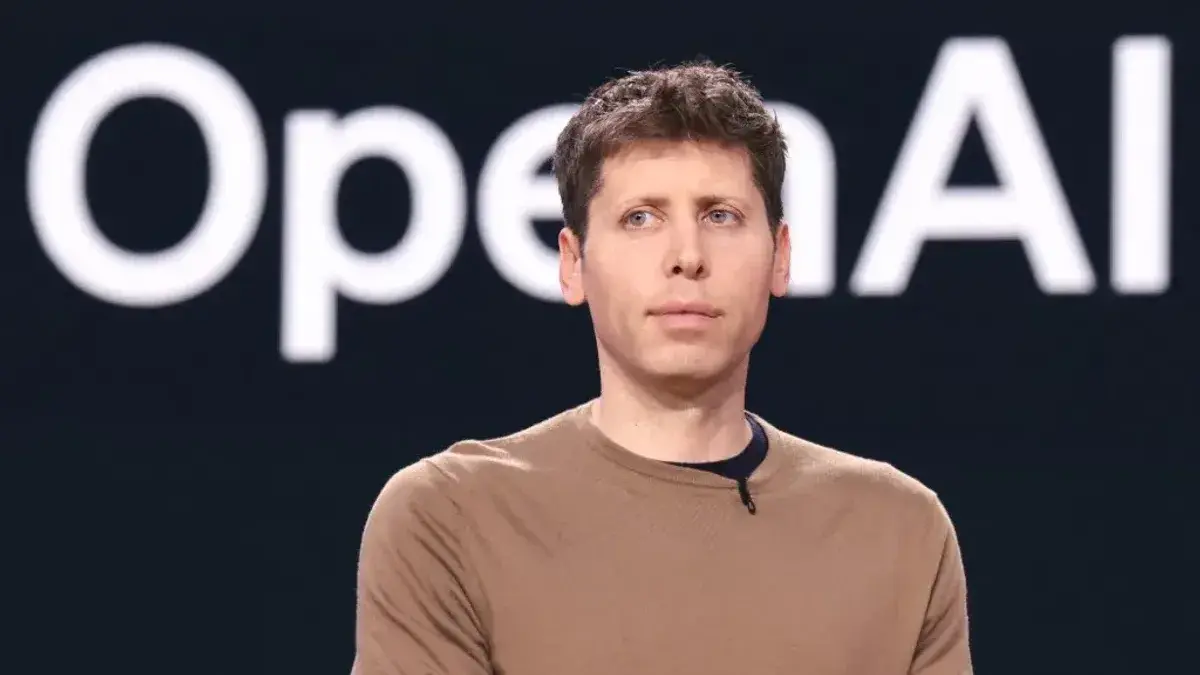
Ronan Farrow's explosive 17,000-word investigation into OpenAI CEO Sam Altman reveals a troubling pattern that goes beyond Silicon Valley gossip. The New Yorker piece documents what multiple sources describe as Altman being "unconstrained by the truth" — a trait that creates significant risks for businesses banking their AI strategies on OpenAI partnerships.
For business leaders evaluating AI vendors, this investigation offers crucial insights into the relationship between corporate leadership integrity and technology reliability.
The Business Cost of Leadership Credibility Issues
The investigation reveals how Altman's alleged pattern of deception extends directly into business operations. Microsoft executives, despite being OpenAI's primary investor and partner, express concerns about conflicting assurances regarding exclusivity agreements. One documented example involves OpenAI announcing partnerships with Amazon on the same day they reaffirmed Microsoft exclusivity — creating confusion about actual capabilities and commitments.
This isn't merely about personality traits. When a technology leader makes contradictory promises to different business partners, it creates operational uncertainty that can ripple through entire supply chains and strategic plans.
The WilmerHale Investigation Gap
Perhaps most concerning for business stakeholders is how internal accountability mechanisms were reportedly circumvented. Farrow's investigation reveals that a formal legal investigation by prestigious law firm WilmerHale was kept deliberately out of writing — existing only as oral briefings to select board members.
This approach contrasts sharply with standard corporate governance practices, where major investigations typically produce comprehensive written reports. For businesses considering long-term AI partnerships, this raises questions about transparency and due diligence processes within OpenAI.
Market Implications Beyond OpenAI
The investigation suggests broader systemic issues affecting the entire AI industry. Multiple sources describe a "race to the bottom" mentality where speed trumps safety considerations and accurate representation of capabilities.
This environment creates particular challenges for businesses trying to make informed decisions about AI investments. When industry leaders acknowledge that "someone's going to lose a lot of money" in the current AI bubble, companies need reliable information about their technology partners' actual capabilities and business practices.
The Enterprise Customer Perspective
For enterprise customers, the credibility concerns extend beyond individual relationships to fundamental business planning. If AI providers make conflicting promises about timelines, capabilities, or exclusive partnerships, it becomes difficult to build reliable technology roadmaps or justify significant AI investments to stakeholders.
The investigation notes that several major investors who initially supported Altman's return after his brief firing now express regret about their decision, citing incomplete information at the time. This pattern suggests that even sophisticated business partners struggle to get accurate information for decision-making.
Implications for Luxembourg Businesses
For Luxembourg companies exploring AI partnerships, this investigation highlights the importance of thorough due diligence beyond technical capabilities. The European Union's AI Act provides some regulatory framework, but businesses still need to evaluate the governance and transparency practices of their technology partners.
Luxembourg's position as a financial services hub makes these considerations particularly relevant. Banks, insurance companies, and investment firms require AI partners who demonstrate not just technical competence but also the governance standards expected in regulated industries.
The investigation also underscores why diversified AI strategies — working with multiple providers rather than depending on a single vendor — may provide both technical and business risk mitigation.
Looking Forward: Trust as a Competitive Advantage
Farrow's reporting suggests that the AI industry may be reaching an inflection point where trust and transparency become competitive differentiators. As the initial excitement around AI capabilities matures into serious business implementation, companies that demonstrate consistent, truthful communication may gain advantage over those that prioritize hype over substance.
For businesses evaluating AI partnerships, this investigation serves as a reminder that the most sophisticated technology means little if it comes with unreliable business practices.
At IALUX, we help Luxembourg businesses navigate these complex AI partnership decisions through independent assessments that prioritize transparency and realistic capability evaluations. Our approach focuses on building sustainable AI implementations rather than chasing the latest promises from Silicon Valley.
Vous voulez implémenter ça dans votre entreprise ?
Nos experts vous accompagnent de la stratégie au déploiement.
Parlez à un expertConsultation gratuite · 30 min · Sans engagement